
Best Areas to Stay in NYC
A local breakdown of the safest, most convenient neighborhoods for tourists, first-time visitors and solo travelers.
ℹIn this guide, you’ll learn:
- The safest neighborhoods for solo travelers
- Where to stay for nightlife, food, or budget
- Areas to avoid (and why)
- How to choose based on subway access
- Local tips most tourists miss
About the Solo Trip to NYC Guides
Exploring New York solo can feel thrilling — or overwhelming. These guides help you decode the city’s rhythm, avoid common pitfalls, and navigate confidently. Whether you're seeking safety, fun, food, or budget tips, we’ve got you covered.
- Safest and most connected neighborhoods
- How to start your trip with confidence
- Packing smart for weather and walking
For Safety
Find subway lines and areas with high visibility and foot traffic.
For Nightlife
Explore solo-friendly venues with great vibes and easy access.
For Foodies
Discover local favorites and budget-friendly bites across boroughs.
On a Budget
Experience NYC without overspending — smart picks and free gems.
Safest Neighborhoods
The Upper West Side consistently ranks as one of Manhattan’s safest residential areas, thanks to its well-lit avenues, family-oriented atmosphere, and strong community presence.
You’ll find a steady flow of locals walking dogs, grabbing groceries, or heading to Riverside Park — all of which contribute to a sense of everyday normalcy that solo travelers often appreciate.
Crime rates here skew lower than the city average, especially for violent incidents. That said, standard big-city awareness still applies.
Stay on main avenues like Broadway or Amsterdam at night — they’re brighter and have more foot traffic.
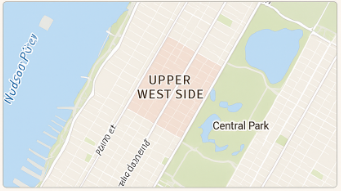
Avoid empty side streets late at night — stick to avenues with steady foot traffic.
Best Neighborhoods to Stay in NYC (Ranked by Safety and Convenience)
These neighborhoods offer the best mix of safety, walkability, transit access, and comfort for solo travelers. Each one serves a different travel style — choose the vibe that fits you.
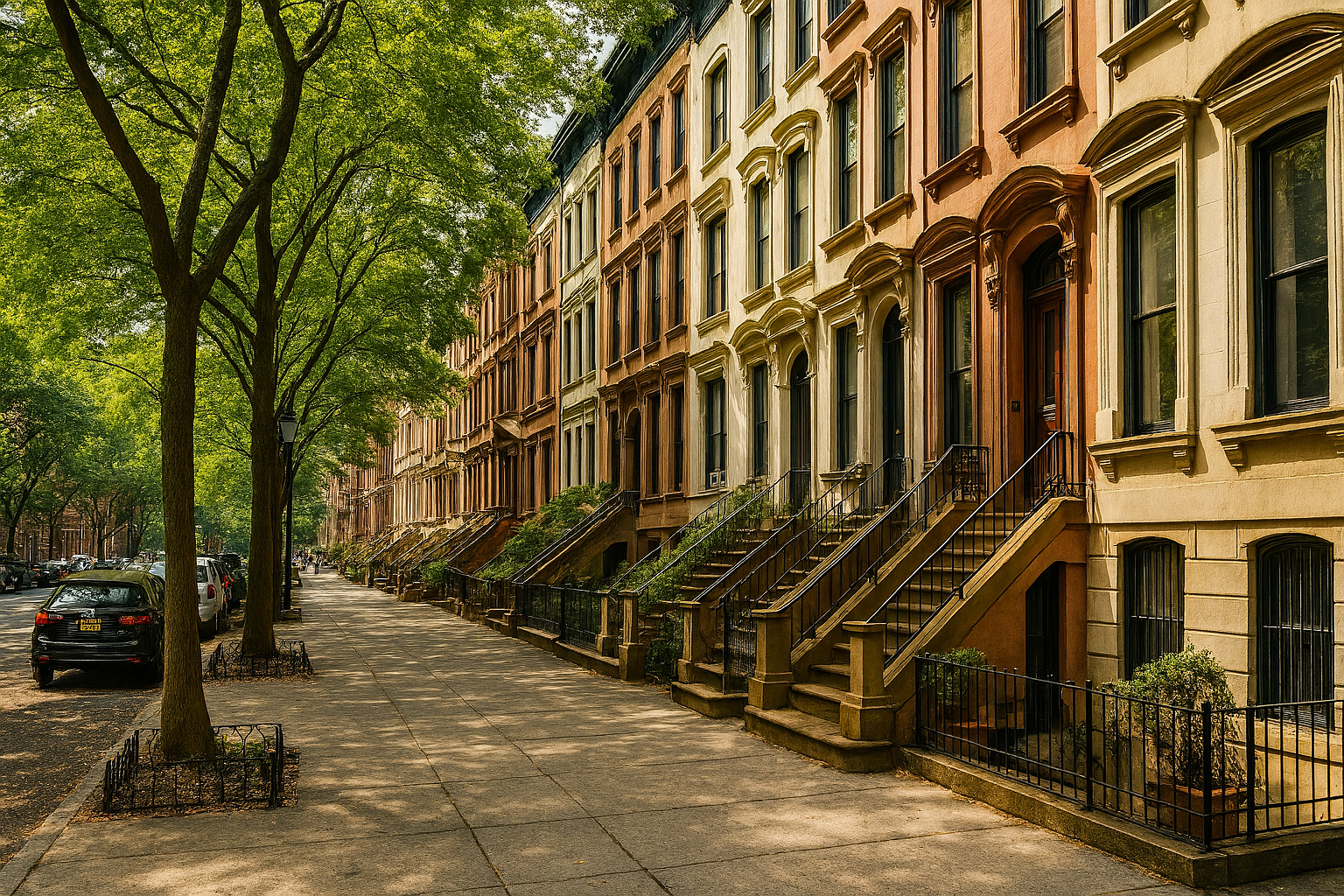 #1 Safest
Upper West Side
NYC’s safest, calmest, most walkable base for solo travelers.
Pros
- Extremely safe and walkable
- Near Central Park and Riverside Park
- Great for first-time solo travelers
Cons
- Hotels can be pricey
- Not nightlife-heavy
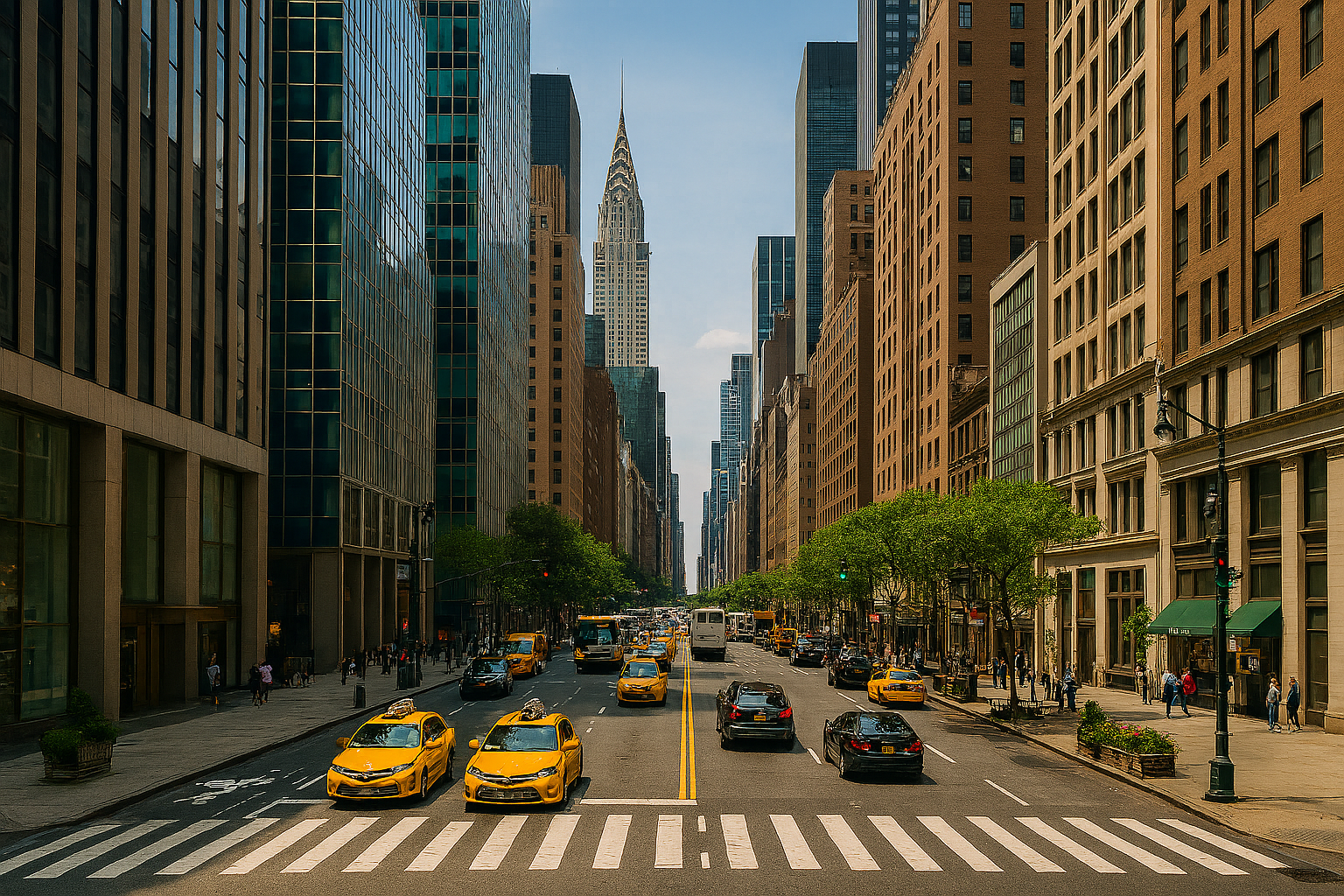 #2 Best for First‑Timers
Midtown East
Central, convenient, and perfect for sightseeing without stress.
Pros
- Walkable to major attractions
- Excellent subway access
- Good mid-range hotel options
Cons
- Can feel busy
- Less neighborhood charm
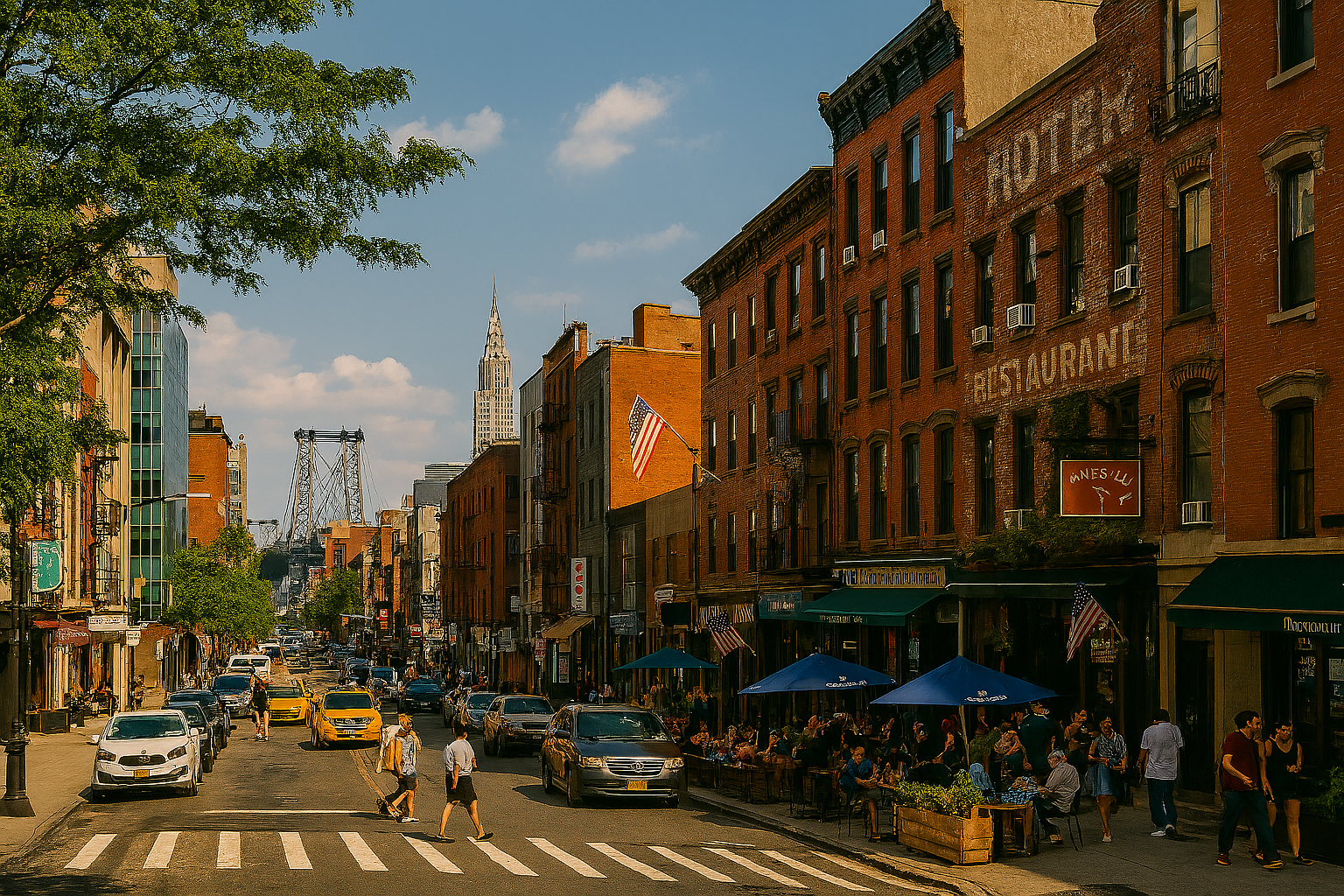 #3 Best Nightlife
Williamsburg
Trendy, social, and packed with food, bars, and waterfront views.
Pros
- Great bars and restaurants
- Creative, youthful vibe
- Beautiful waterfront views
Cons
- Hotels can be expensive
- Nightlife noise
 #4 Best Budget
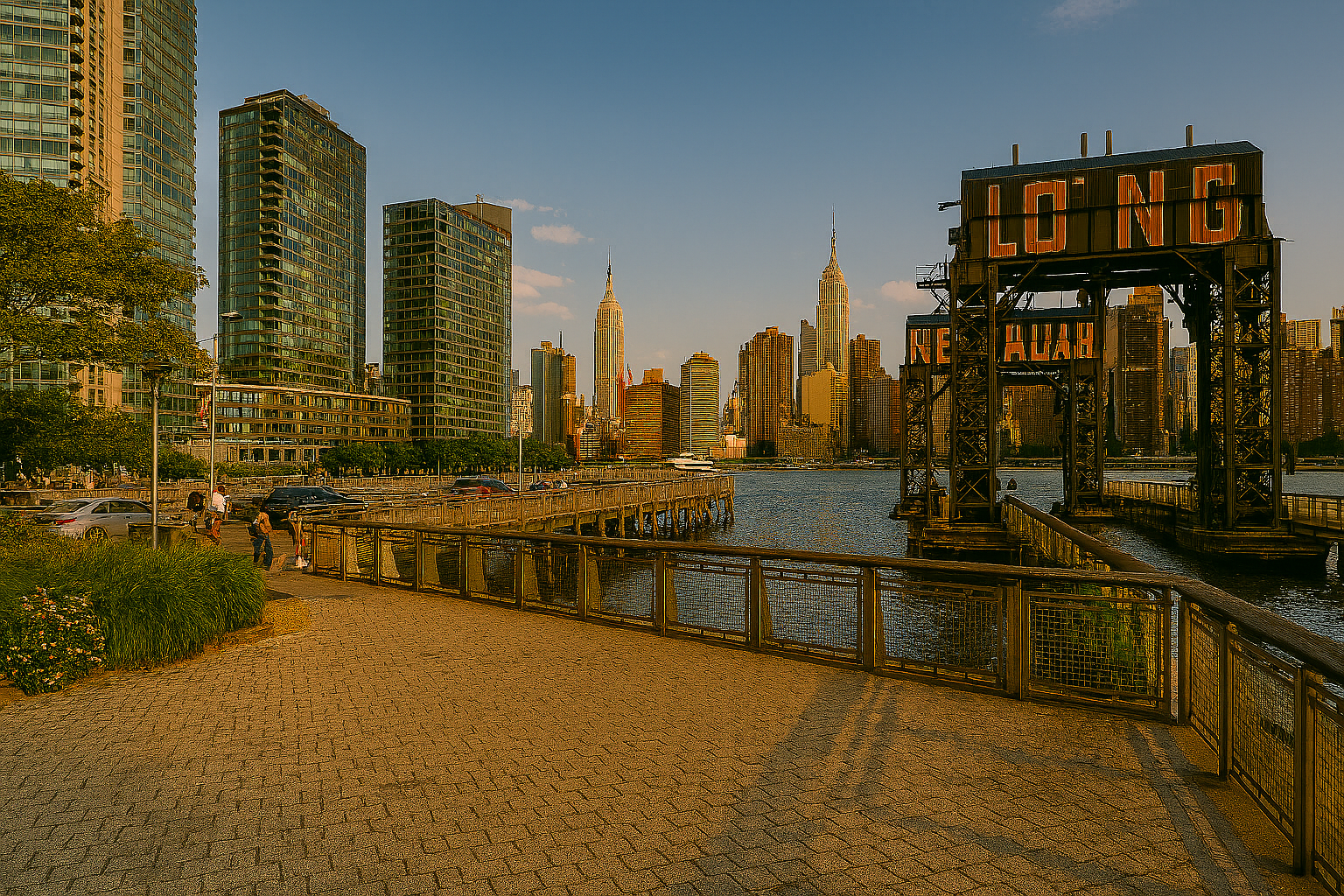
Long Island City
Modern, quiet, and the best value hotels near Manhattan.
Pros
- Best value hotels near Manhattan
- Fast subway access
- Quiet and modern
Cons
- Less walkable nightlife
- Fewer classic NYC vibes
Frequently Asked Questions
Yes — NYC is one of the safest major cities in the U.S., especially in well‑lit, central neighborhoods. Safety varies by block, so stick to areas with good foot traffic and reliable subway access.
Midtown East is the best base for first‑timers thanks to its central location, excellent subway lines, and easy access to major attractions.
The Upper West Side and Midtown East are top picks for solo female travelers due to their safety, walkability, and calm evening atmosphere.
The Upper West Side consistently ranks as one of the safest, most comfortable areas for visitors.
Long Island City offers the best value hotels with fast subway access to Midtown.
It’s convenient but overwhelming — crowded, noisy, and expensive. Most solo travelers prefer calmer neighborhoods.