Is NYC Safe at Night for Solo Travelers?

NYC is generally safe at night in busy, well-lit areas—if you follow smart, local-backed precautions.
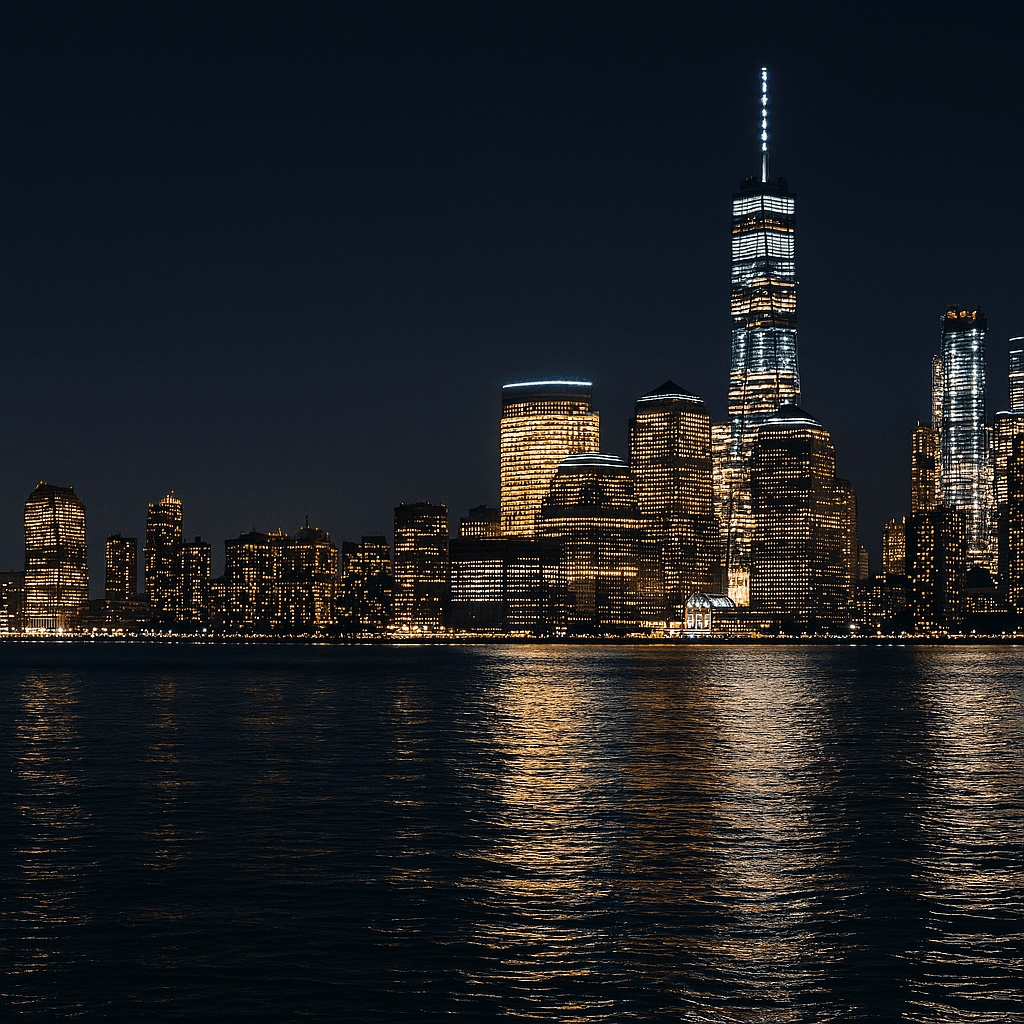
NYC skyline at night
🛡️NYPD Data👣Local Insights📊Traveler Patterns

NYC Night Safety Verdict

7/10

Moderately Safe with Smart Precautions

NYC’s busiest areas remain active and well-patrolled at night. Risks increase in quieter neighborhoods and during late-night transit.

Best For

  • Solo women
  • First-time visitors
  • Budget travelers

Less Ideal If

  • Prefer quieter, low‑traffic streets after dark
  • Feel uneasy in high‑energy or crowded nighttime areas
  • Prefer calm, residential neighborhoods with minimal nightlife

NYC Night Safety by Neighborhood

Safe

Midtown

Busy, well-lit, heavy police presence.

Best Time: Anytime

Notes: Tourist-heavy but safe.

Safe

Upper West Side

Residential, calm, well-patrolled.

Best Time: Evening

Safe

Upper East Side

Quiet, upscale, low crime.

Best Time: Evening

Safe

DUMBO

Touristy waterfront with steady foot traffic.

Best Time: Before midnight

Avoid After: 1 AM

Safe

Battery Park

Calm, scenic, low crime.

Best Time: Evening

Avoid After: Midnight

Mixed

East Village

Nightlife-heavy with occasional disorderly behavior.

Best Time: Evening

Avoid After: 2 AM

Mixed

Lower East Side

Bars and clubs create unpredictable late-night crowds.

Best Time: Evening

Avoid After: 2 AM

Mixed

Bushwick

Trendy but uneven lighting and quieter blocks.

Best Time: Evening

Avoid After: 1 AM

Mixed

Harlem

Busy avenues are safe; side streets quieter.

Best Time: Evening

Avoid After: Midnight

Avoid Late

Brownsville

Higher crime rates and low foot traffic.

Best Time: Daytime

Avoid After: Sunset

Avoid Late

East New York

Sparse lighting and limited activity at night.

Best Time: Daytime

Avoid After: Sunset

Avoid Late

Fordham

Busy during the day but quieter and less predictable at night.

Best Time: Daytime

Avoid After: Sunset

Night Scenarios & How to Stay Safe

Moderate

Walking Alone After 10 PM

Busy avenues remain active; side streets get quieter.

How to Stay Safe

  • Stick to well-lit main avenues
  • Avoid empty blocks
  • Walk confidently with purpose
  • Keep your phone accessible

Best For: Solo women, first-timers

Avoid If: You dislike nighttime crowds

Moderate

Taking the Subway at Night

Trains run less frequently and platforms may be quieter.

How to Stay Safe

  • Wait near the conductor
  • Avoid empty cars
  • Use staffed stations
  • Keep valuables hidden

Best For: Budget travelers

Avoid If: You prefer rideshare

Low

Using Rideshare Late

Fast, reliable, and widely available.

How to Stay Safe

  • Verify license plate
  • Sit in the back seat
  • Share your trip
  • Avoid long waits outside

Best For: Nightlife travelers

Avoid If: You’re on a tight budget

Mixed

Exploring Nightlife Areas

Lively streets, crowded bars, and unpredictable late-night behavior.

How to Stay Safe

  • Stay aware in crowded bar zones
  • Avoid isolated side streets after leaving venues
  • Keep drinks in sight at all times
  • Plan your route home before midnight

Best For: Nightlife travelers, social explorers

Avoid If: You prefer quiet, low-stimulation environments

NYC Night Safety Principles

Read the Room

Scan the environment every few minutes to understand the vibe, foot traffic, and exits.

Example: If a block suddenly gets quiet or lighting drops, switch to a busier avenue.

Plan Your Moves

Know your next 2–3 steps before you start walking — route, transit option, and backup.

Example: If the subway platform looks empty, pivot to a bus or rideshare instead of waiting alone.

Stay in the Flow

Stick to well‑lit, high‑foot‑traffic streets and avoid sudden detours into quiet blocks.

Example: Walk along 7th Ave instead of cutting through an empty side street after 11 PM.

Signal Confidence

Walk with purpose, keep your head up, and avoid behaviors that signal distraction.

Example: Hold your phone at chest level for navigation instead of staring down at it.

Trust Micro‑Signals

If something feels off — a person, a block, a station — change direction immediately.

Example: If someone starts pacing near you on the platform, move closer to the conductor.

Transit Safety at Night

Moderate

Subway

Best Hours: Before midnight

Avoid Hours: 2–4 AM

Tips

  • Wait near the conductor
  • Avoid empty cars
  • Use staffed stations

Routes

  • 1/2/3
  • A/C/E
  • N/Q/R
Low

Bus

Best Hours: Evening

Avoid Hours: Late-night intervals with long gaps

Tips

  • Sit near the front
  • Use well-lit stops

Routes

  • M7/M20 (Manhattan)
  • B62 (Brooklyn)
  • Q32 (Queens)
Low

Rideshare

Best Hours: Anytime

Avoid Hours: None — but stay alert after 2 AM

Tips

  • Verify driver
  • Share trip

Routes

  • Short hops between neighborhoods
  • Late-night trips where transit is sparse

Neighborhood Deep Dives

Midtown

Safe

Bright, busy, tourist-heavy

💡Lighting: Excellent
🚶Foot Traffic: Very High
🚓Police Presence: High

Safe Spots

  • Times Square
  • Bryant Park

Avoid Spots

  • Empty side streets

Ideal For: First-time visitors

Not For: People avoiding crowds

DUMBO

Safe

Scenic, lively waterfront with steady foot traffic

💡Lighting: Good
🚶Foot Traffic: High
🚓Police Presence: Moderate

Safe Spots

  • Brooklyn Bridge Park
  • Main Street Park

Avoid Spots

  • Very quiet industrial blocks late at night

Ideal For: Solo women, photographers, relaxed evening walks

Not For: People who dislike touristy areas

Emergency & Local Resources

🚨Emergency Numbers

911: For emergencies requiring immediate police, fire, or medical response.

311: For non-emergency city services and complaints.

🚓NYPD Precinct Locator

Find Your Precinct

Find the precinct responsible for your area — helpful if you lose something or need quick assistance.

🏥Nearest Hospital

NYC has multiple 24/7 emergency rooms within 10–15 minutes in Manhattan and Brooklyn.

🚇Subway Help Points

Blue “Help Point” intercoms on platforms connect you directly to emergency services.

Frequently Asked Questions

Why You Can Trust This Guide

Methodology

We analyze NYPD data, traveler patterns, and local insights.

Local Insights

Built with input from NYC residents and frequent travelers.

Data Sources

  • NYPD Crime Stats
  • 311 Reports
  • MTA Data

Editorial Process

Every guide is reviewed for accuracy and clarity.